
Pounamu
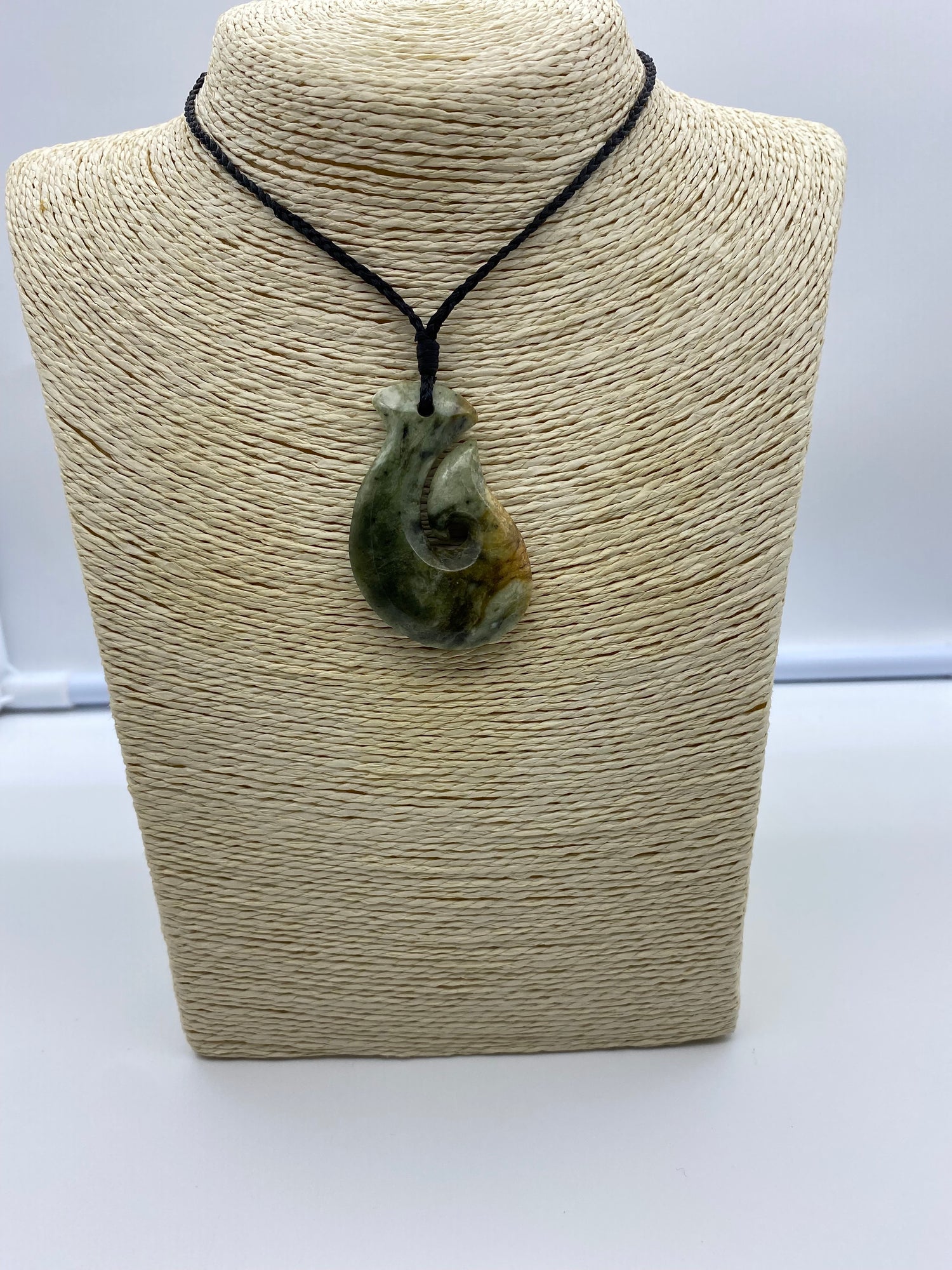
Matau / Hook
Hei Matau is a symbol of prosperity and safety when traveling over the water. The fish hook is present throughout Māori culture, whether it is in reference to Tangaroa the God of the Sea, or Maui who caught Te Ika a Maui with the jawbone of his kaumatua (some stories say his grandfather and others his grandmother). Regardless it is a powerful taonga.
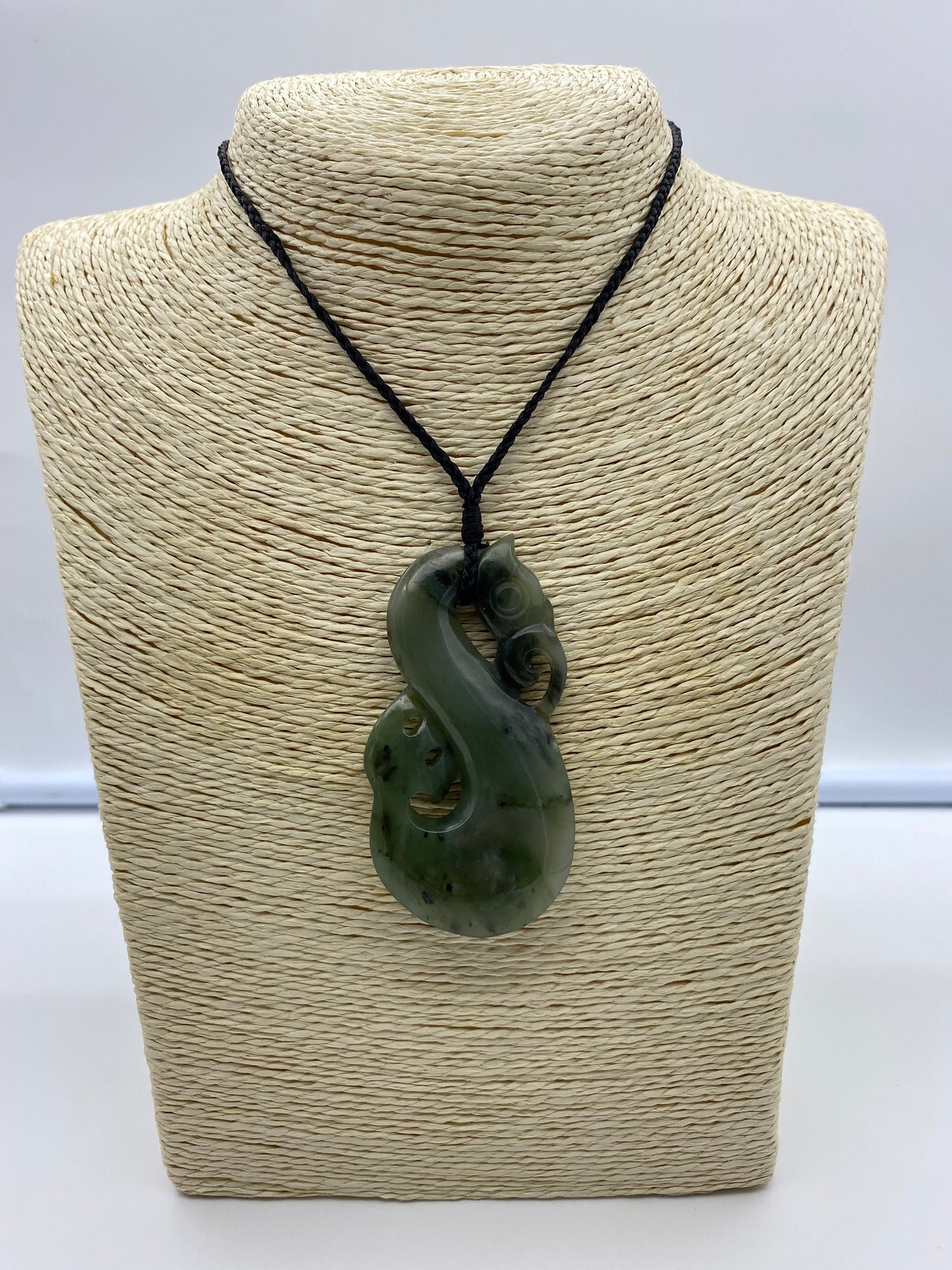
Manaia
The Manaia represents a guardian that protects and balances. It is seen as a messenger between the physical and spiritual world, which is why only one side of its face is seen. It is also depicted with the head of a bird, the body of a man, and the tail of a fish (sometimes looks like a serpent). These represent the areas to which the manaia protects, over land, over the sea or water, and in the air. The manaia may have three or four fingers showing, these represent the stages of life, birth, life, death, and the afterlife.

Roimata / Tear Drop
Roimata is the Māori word for tears, also known as the Drop or Tear Drop. Roimata represents the flow of positive energy, healing, strength, courage, caring, comfort, compassion, and empathy. It is often gifted to people in times of grief to signify they are not alone and to draw strength from the taonga and its connection to the land. It can also be given to promote confidence and reassurance to the wearer, grounding them in the challenges they face and in
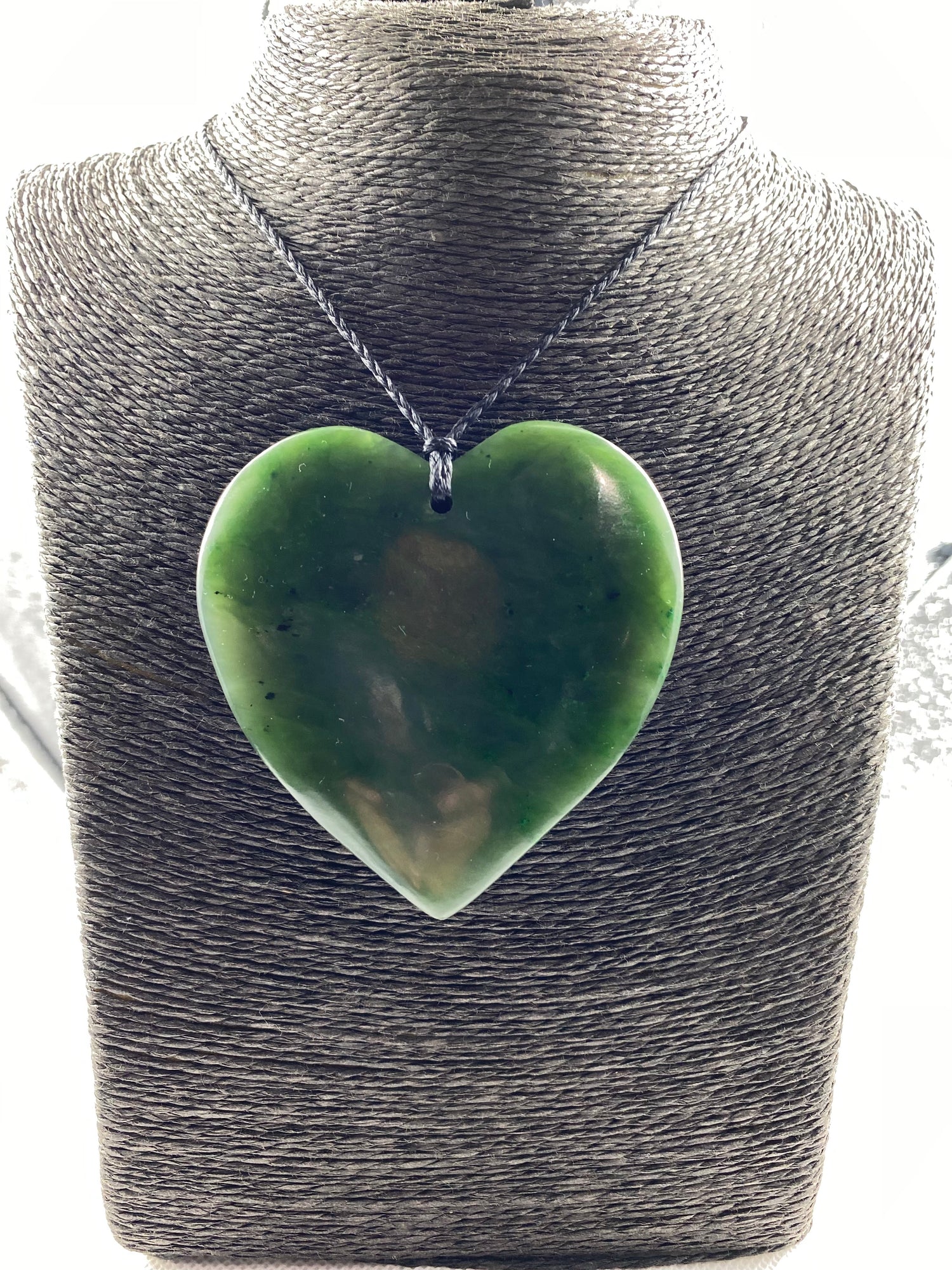
Heart
Pounamu hearts are often gifted as tokens of love, friendship, and respect. They are presented to express gratitude, convey deep appreciation, and strengthen bonds between loved ones. Giving a pounamu heart signifies the permanence and significance of the relationship, a promise of enduring love that transcends time and circumstance.
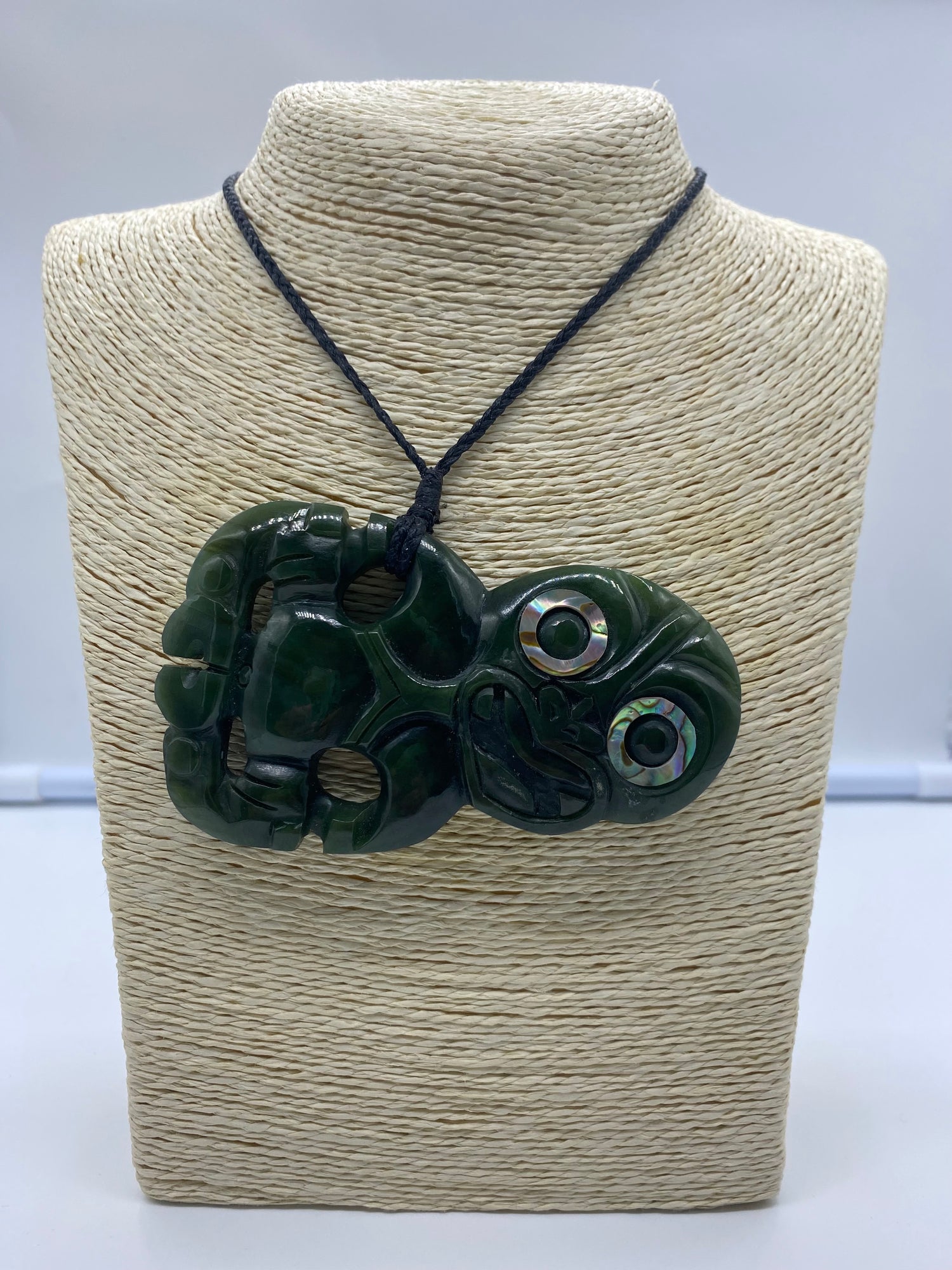
Tiki
Hei tiki can be translated as a human-like carving worn around the neck, they can be carved from different materials wood, bone, greenstone, etc. Legend says that it is the depiction of the first man created by Tāne Mahuta, while others believe it is a depiction of Tāne himself.
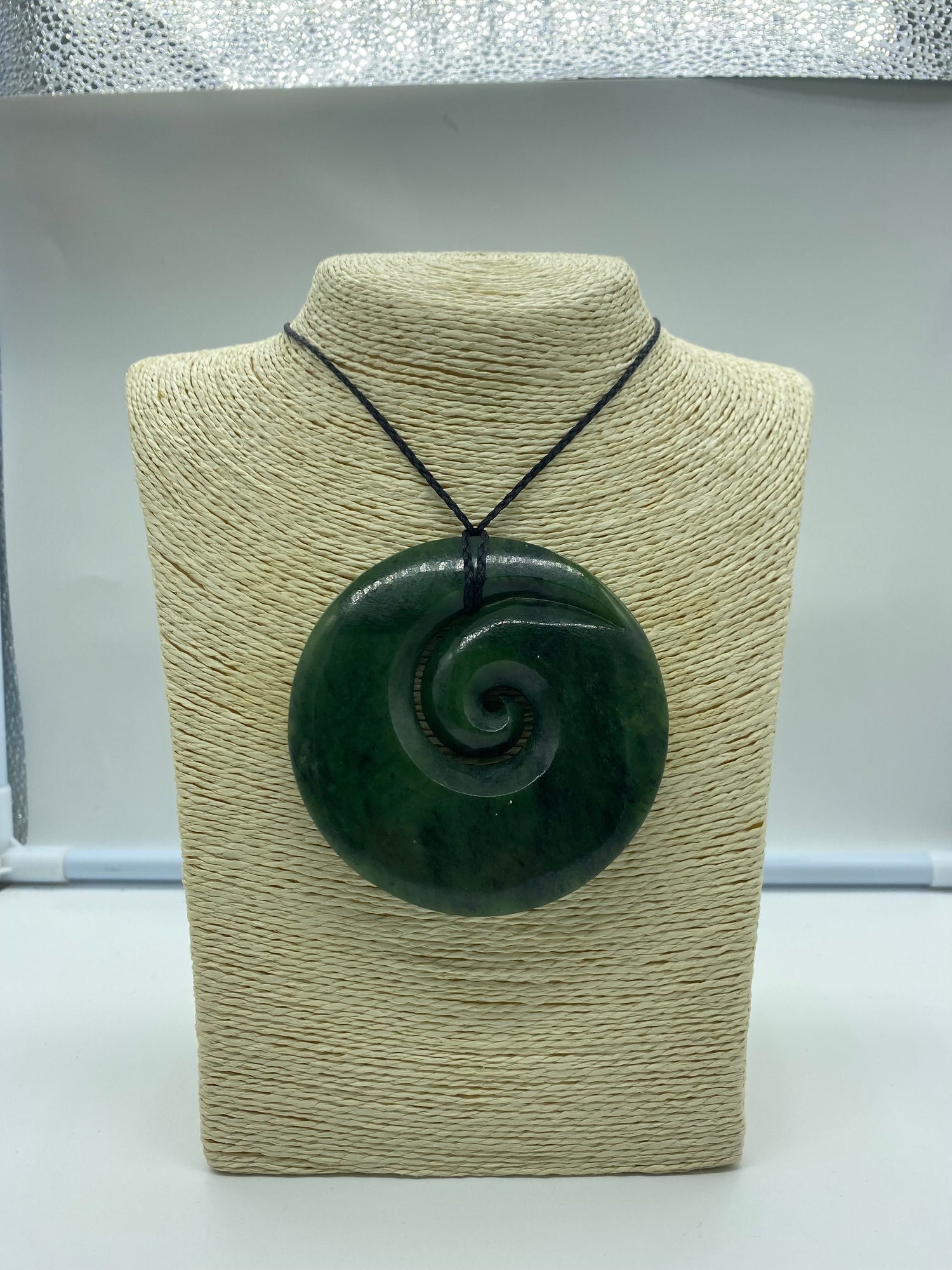
Koru
The Koru is a widely recognized Māori Pounamu Greenstone design that symbolizes new life, growth, and endless motion. Its spiral shape represents the unfurling of a fern frond, signifying the continuous cycle of change and renewal. The inner curl of the Koru symbolizes coming back to the beginning, reminding us that even amidst change, there is always a sense of continuity and grounding.
Koru are often given as gifts for momentous events, making them an ideal way to show support for someone embarking on a new chapter in their life. Whether it's moving out to a new house, getting married, or welcoming a new child, the Koru serves as a reminder of the exciting possibilities that lie ahead.
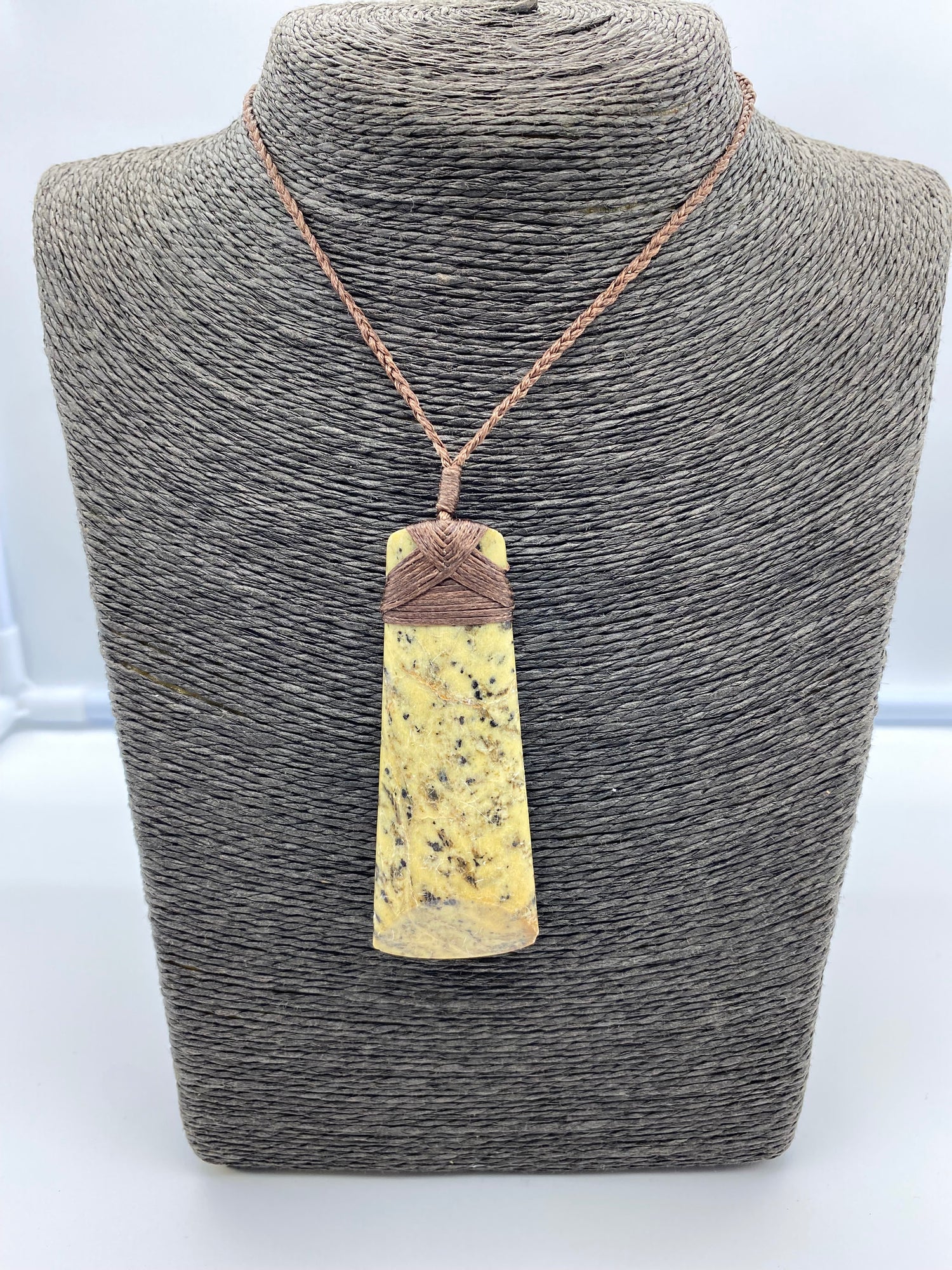
Toki
Toki are a type of adze and were traditionally made for whakairo or the carving of wood. It is considered a sign of strength and power as the Toki would be used to fell or cut down large trees and hollow out the boughs to create waka and other large wood carvings. Often related to those high in status, mana and authority.
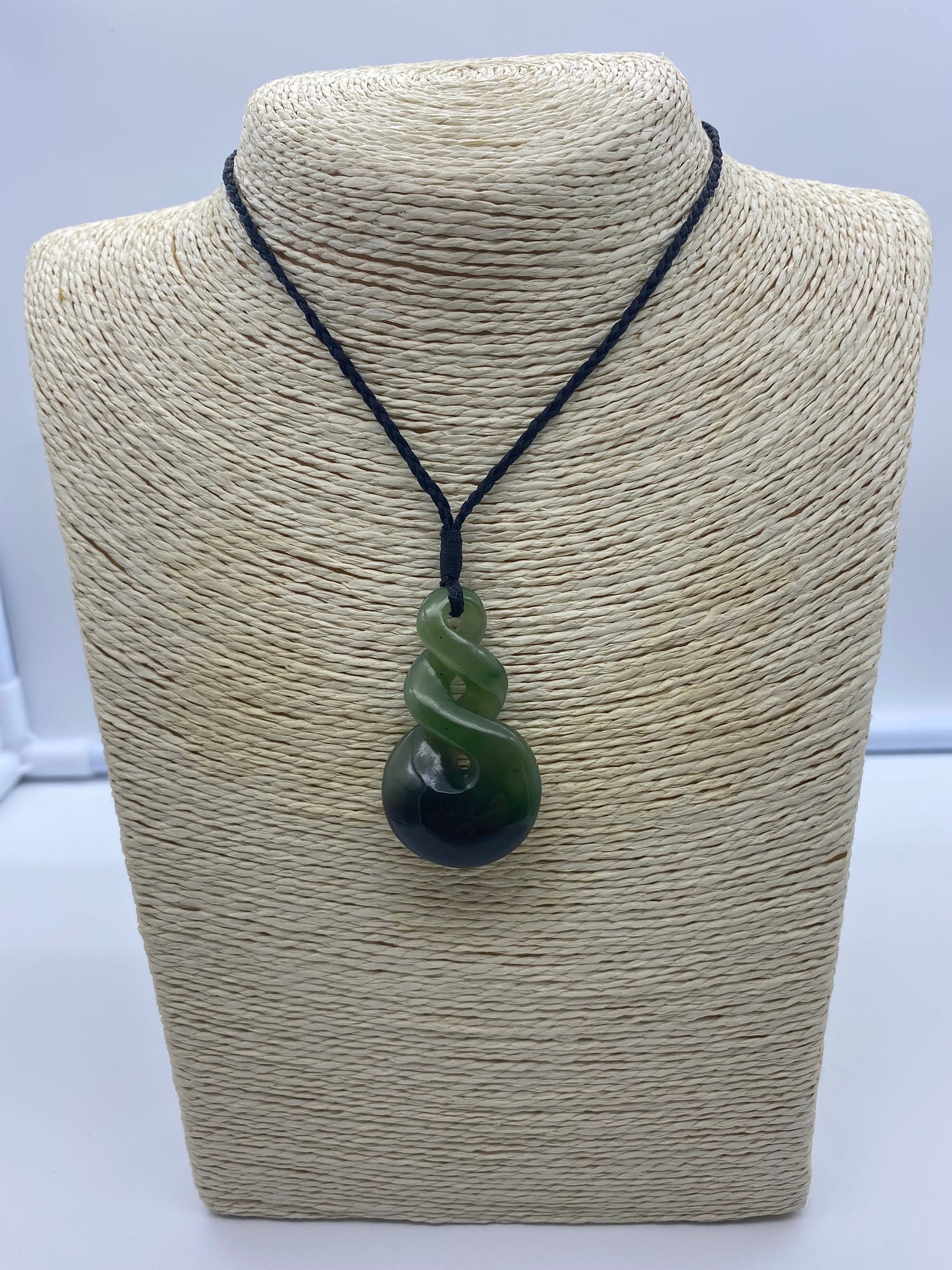
Pikorua / Twist
Pikorua or twist represents the endless bond between people - whether friends, family, or lovers. Even when separated, the lines always reconnect, symbolizing that relationships endure across time and distance.
Each strand can represent a life journey. The crossing points show how lives intersect, diverge, and reunite - reflecting shared experiences and personal growth.
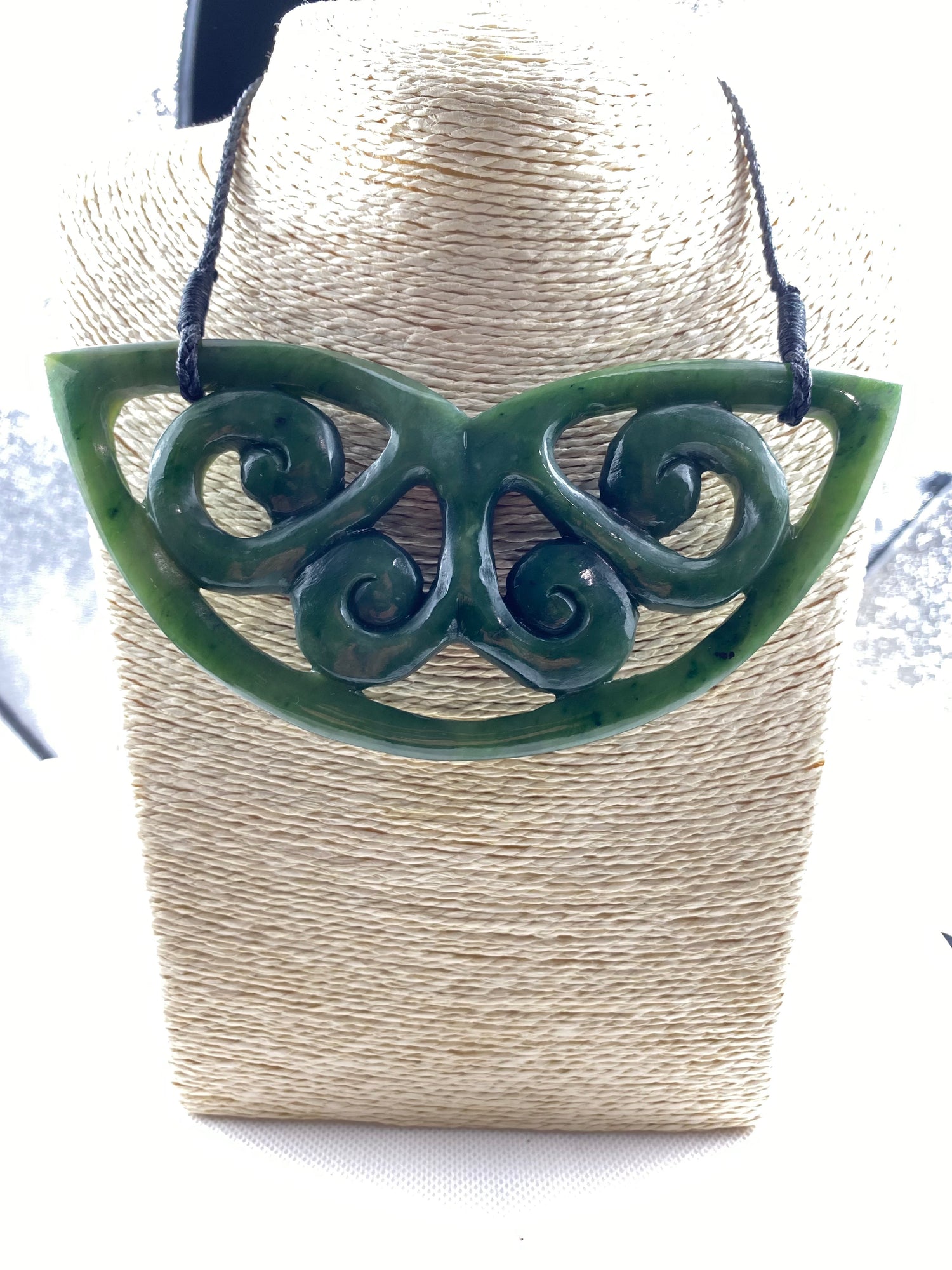
Breastplate
In a Māori context, a breastplate-style pendant isn’t a single traditional symbol with one fixed meaning (like a koru or hei matau), but rather a form inspired by taonga (treasured adornments) worn close to the chest—over the heart, where meaning becomes deeply personal and spiritual.
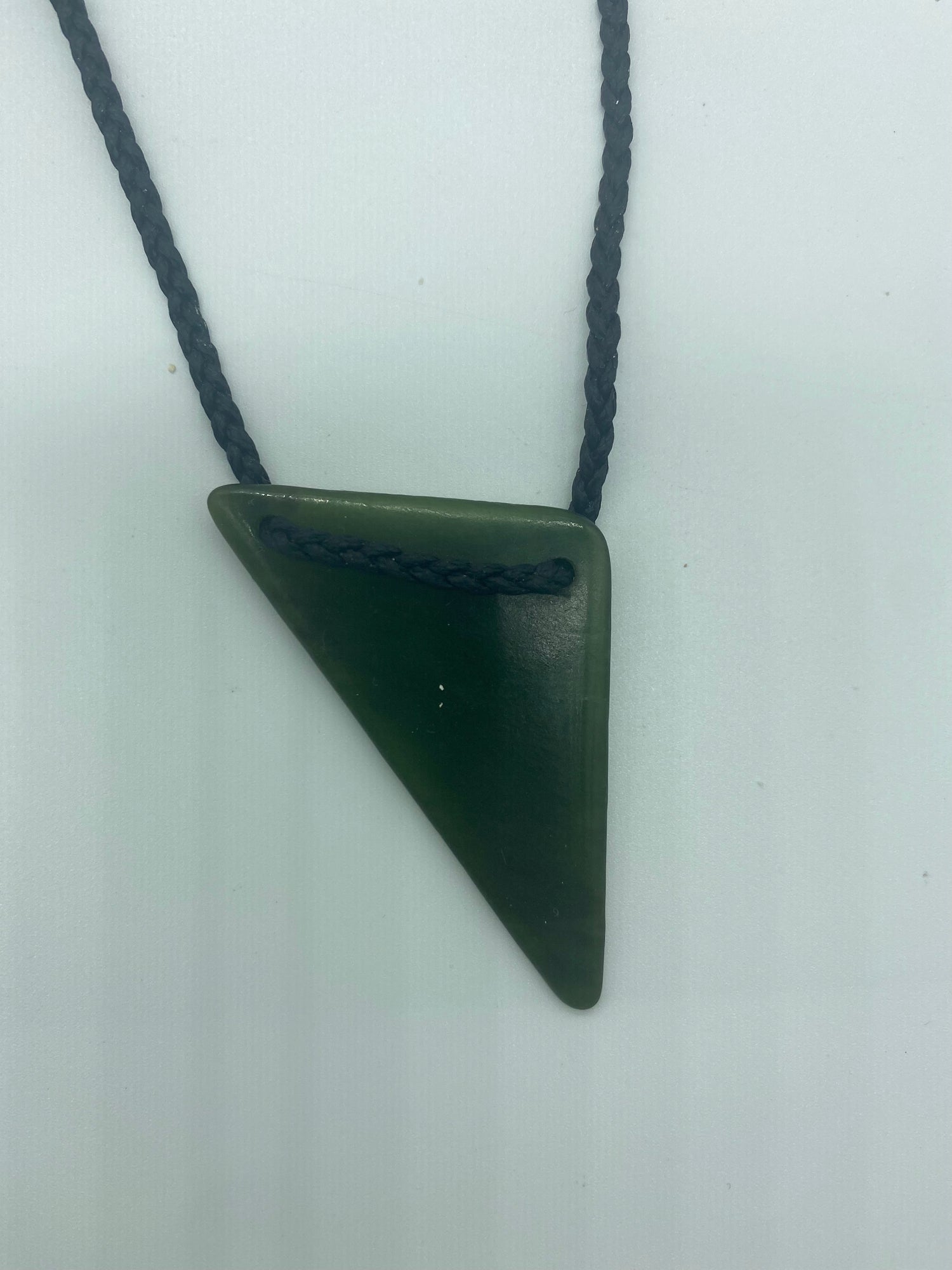
Tapatoru
The Tapatoru (triangle) is a powerful form in Māori-inspired design. While it isn’t a single traditional taonga shape like the koru or hei matau, the tapatoru carries deep meaning through its geometry and how it’s interpreted within Māori worldview.
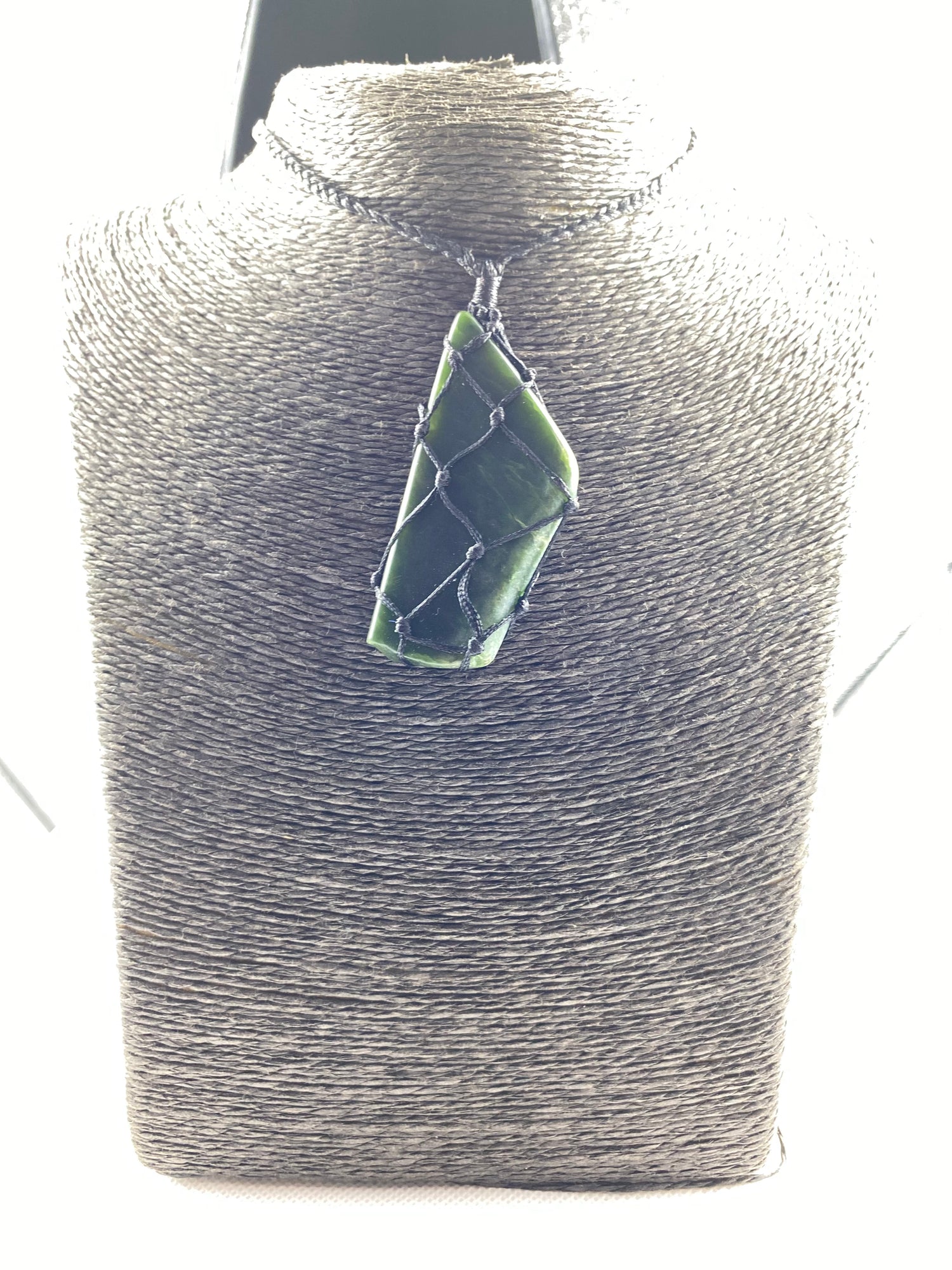
Free Form Pieces
A free-form in a Māori-inspired context is less about a fixed traditional shape and more about wairua (spirit), flow, and personal story. Unlike defined forms, its meaning comes from intention, movement, and connection rather than strict symbolism.
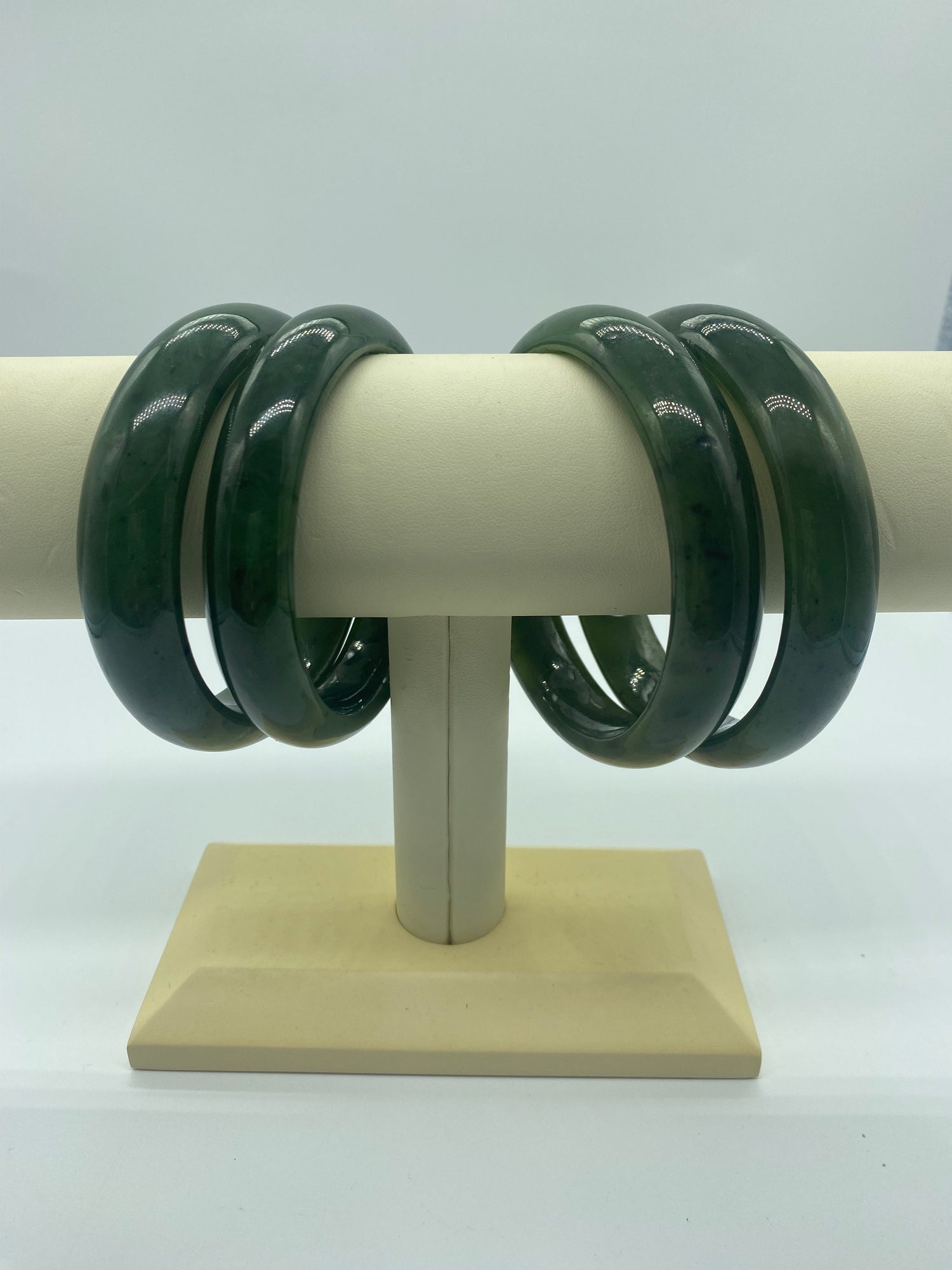
Bracelet
Bracelet (worn around the wrist) is more than decoration it becomes a circle of meaning, tied to connection, protection, and continuity. While not a single traditional taonga form with one fixed definition, its symbolism comes from where it’s worn, its shape, and the story it carries.
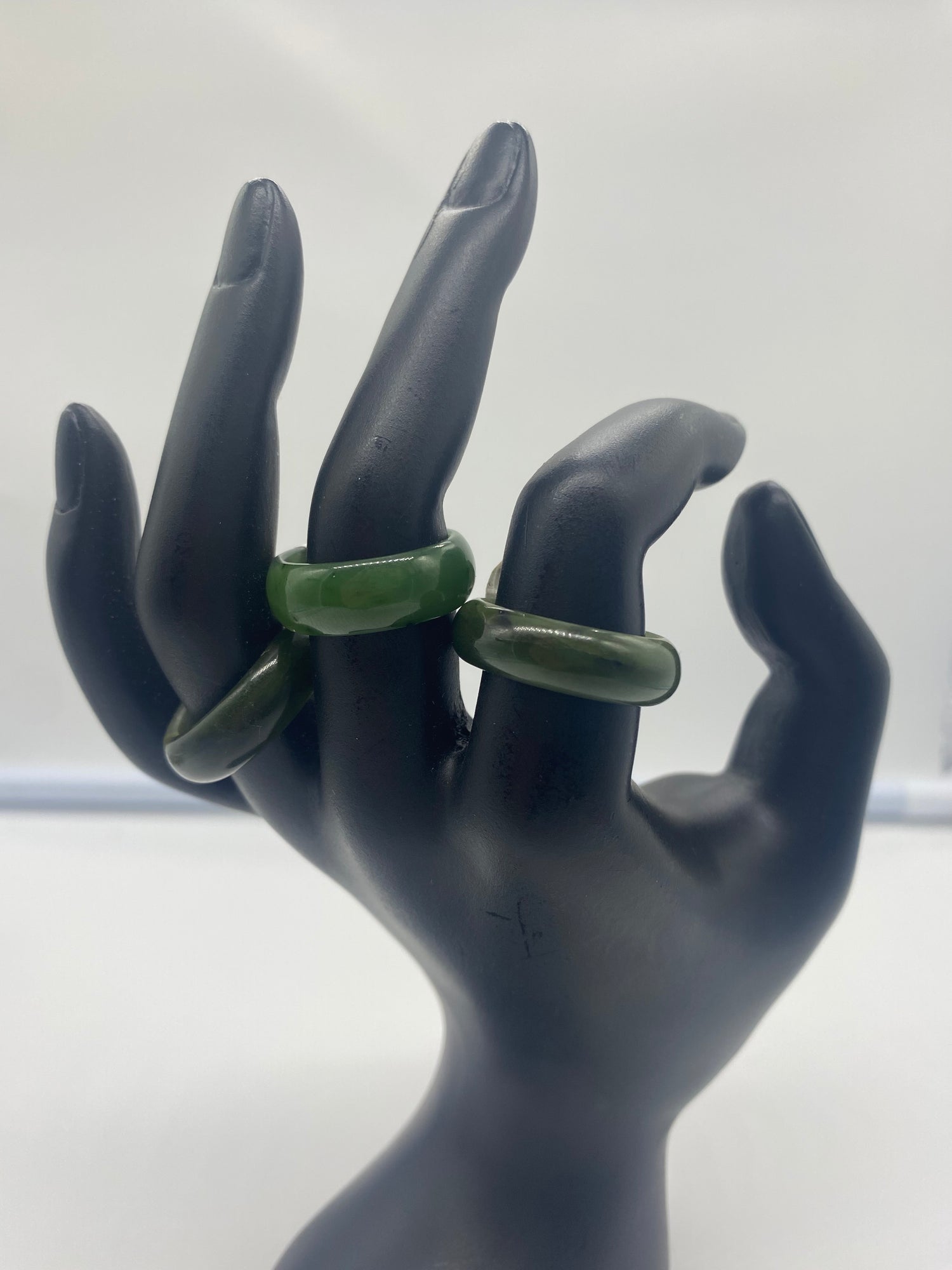
Rings
Ring carries deep symbolic weight because of its form (a circle) and its placement on the body. While not a single traditional taonga with one fixed meaning, it naturally aligns with Māori values of connection, continuity, and identity.
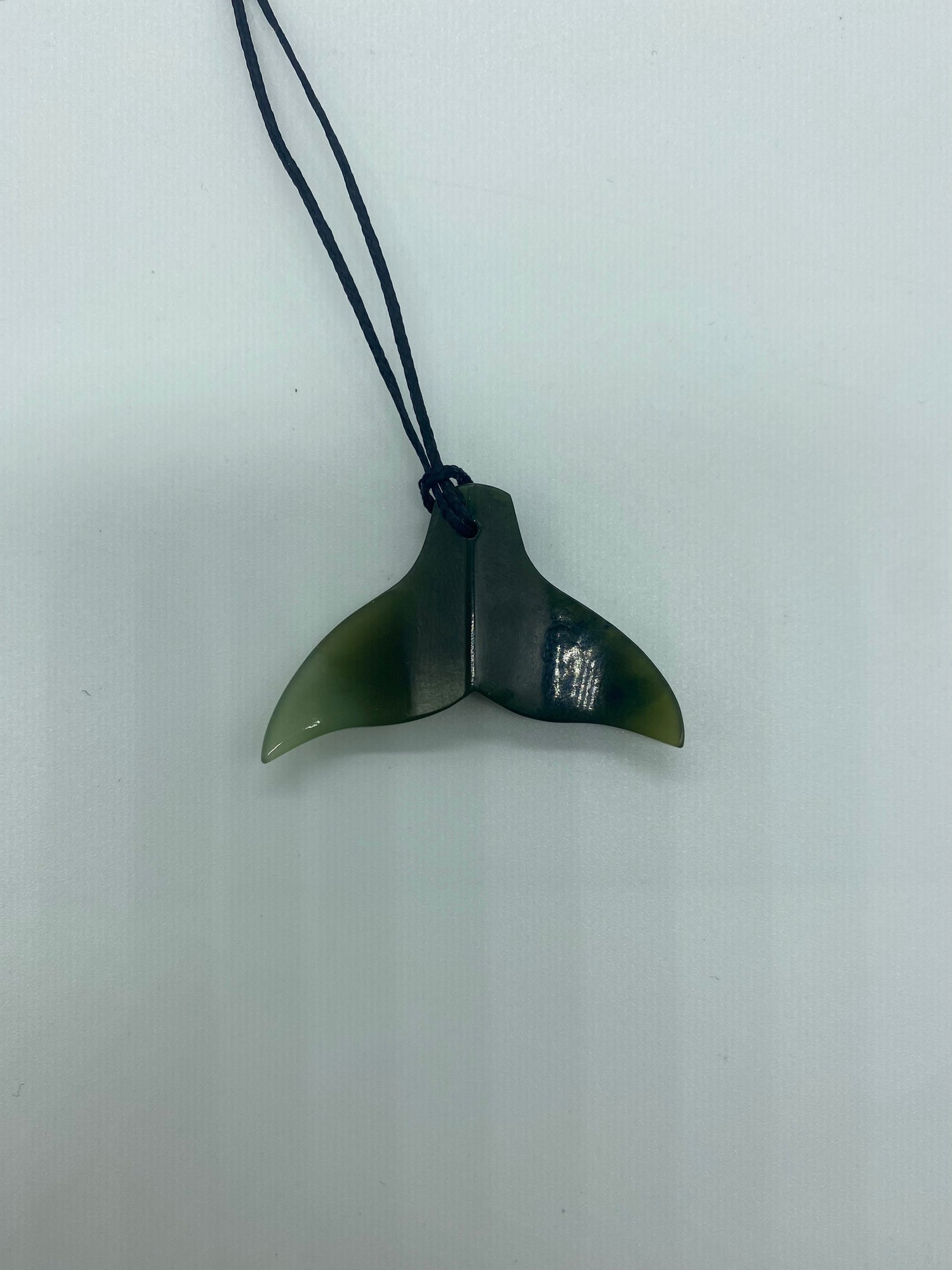
Whale Tail
The Whale Tail is often represents strength, protection and good fortune. It is believed that a whale safely delivered the first man to Aotearoa on its back. Where Maori have continued to live, grow and prosper over the centuries. Whales are also seen as protectors and the bringer of good luck.
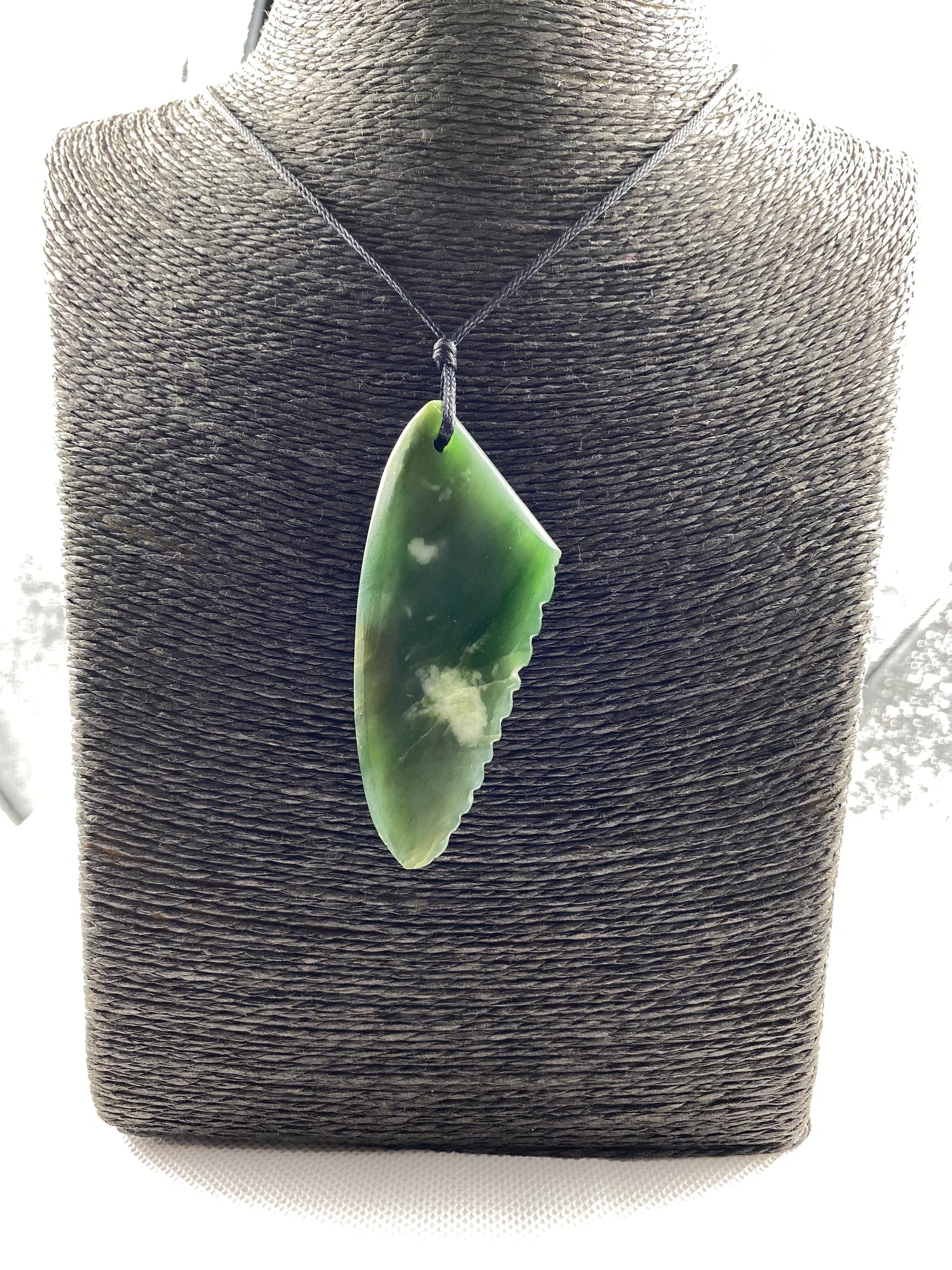
Niho
Niho or tooth / tusk also known as Taniwha Niho, represent strength and guardianship of the Taniwha. In Māori Mythology, Taniwha were supernatural creatures that resided in a body/bodies of water, rivers, lakes, caves and the ocean around Aotearoa. The Niho is often seen as a symbol of resilience, strength of the whale and fierce nature of the shark who's teeth are used as adornments.
These characteristics can be transferred to the wearer and or the iwi (tribe) and community that work to protect the interests of their people.
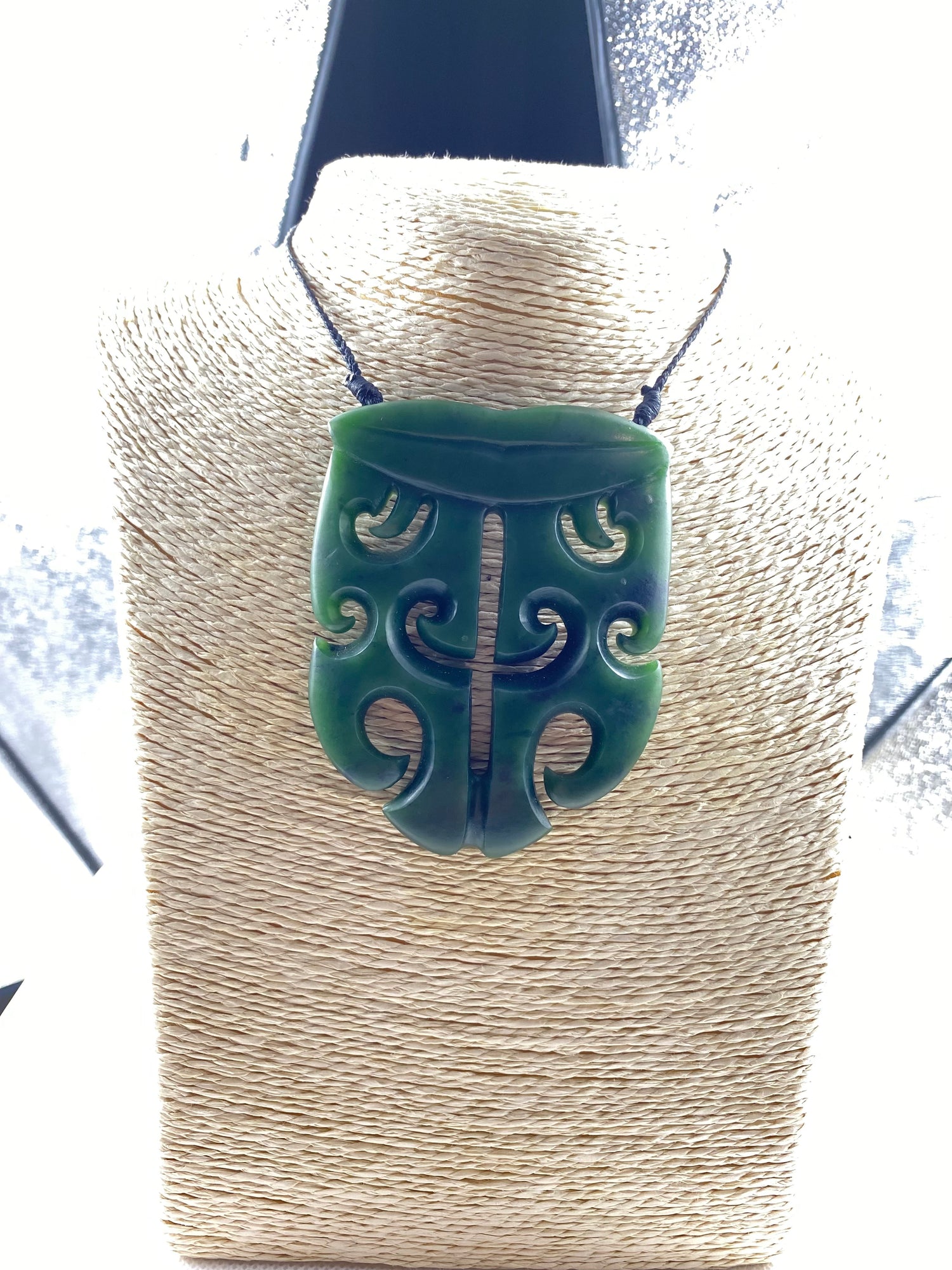
Kauae
Kauae are traditional Tā moko worn by maori women, and are an extremely personal and spiritual manifestation of their inner identity. Believed by many to already exist within the wahine and bought to fruition by the tohunga ta moko. These pounamu pieces are a representation of these ta moko and many of these pieces are customised to replicate the actual moko kauae of a loved one.
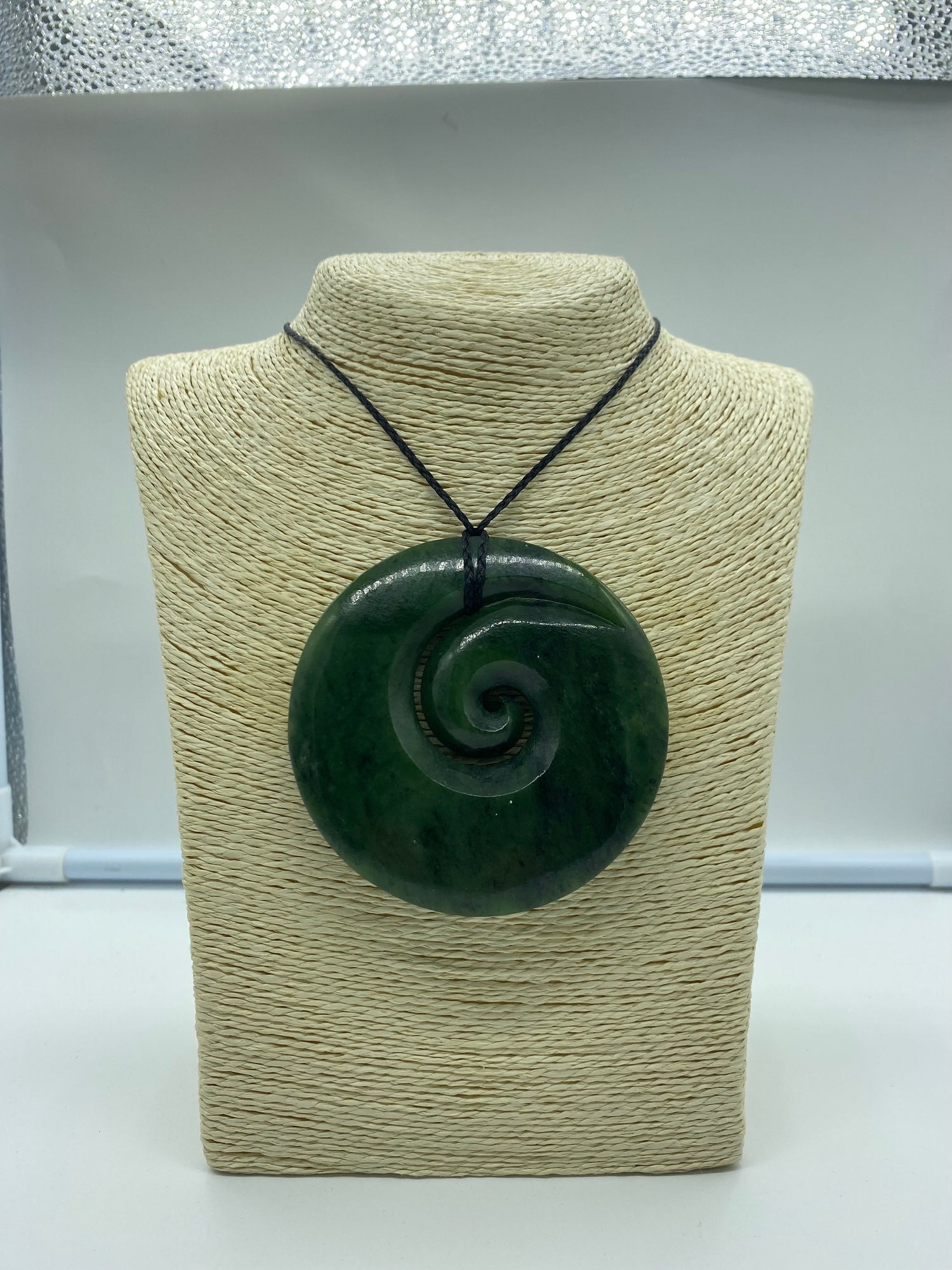
Porohita
The Porohita or Disc represents the cycle of life, it has no beginning or end and moves in a never ending fluid movement, encapsulating the idea of wholeness and unity. Which brings with it the never-ending possibilities and opportunities open to individuals who are willing to grasp them.